
Street Art, Migration and Contemporary Britain
The “Street Art, Migration and Contemporary Britain” branch of the curriculum reveals London as a dynamic, living canvas shaped by the arrival of global communities and the rapid pace of urban change. Moving from the historic silk-weaving looms of the Huguenots to the vibrant murals of today’s international artists, this area explores how the city’s identity is constantly being rewritten. It examines the tension between traditional heritage and the radical creative energy of the streets, revealing how regeneration and diversity have transformed neglected districts into global cultural hubs. To study this branch is to analyze the “Modern Soul of Britain,” uncovering how the fusion of global migration and local creativity defines the UK’s contemporary urban character.
East London
East London is a historic gateway for migrant communities—from 17th-century Huguenots to the vibrant Bangladeshi diaspora—who have collectively forged the district’s resilient and creative character. This district represents a borderland shaped for centuries by movement, opportunity, hardship, and renewal, where the presence of generations can still be read in the streets and places of worship. To explore East London is to experience a remarkable area where Roman roads and industrial heritage meet modern reinvention within a small geographical footprint. This study reveals how the fusion of global migration and local industry has created one of the most layered and compelling parts of the capital.

- Aldgate: The historic site of one of the gates of Roman Londinium, representing the line of the old city walls and the starting point for London’s eastern expansion. This site is located at Aldgate Station.
- Bevis Marks Synagogue: The oldest synagogue in continuous use in the UK, reflecting the long history of Jewish life in London from medieval expulsion to re-establishment. This synagogue is located in the City of London.
- Devonshire Square: A site featuring former East India Company warehouses, serving as a visceral reminder of the district’s role in global trade and maritime history. This square is located near Liverpool Street.
- Spitalfields Market: A historic market built on the legacy of the medieval hospital of St Mary Spital, now a center for fashion and creative commerce. This market is located in Spitalfields.
- Christ Church Spitalfields: A masterpiece of 18th-century baroque architecture designed by Nicholas Hawksmoor, standing as an architectural landmark amidst an area shaped by change. This church is located in Commercial Street.
- Brick Lane: A world-famous thoroughfare synonymous with the changing identity of immigrant London, from Huguenot silk-weavers to the modern Bangladeshi community. This street is located in Spitalfields.
- Princelet Street: A street renowned for its remarkably preserved 18th-century architecture and its multiple layers of Huguenot, Jewish, and Bangladeshi heritage. This street is located in Spitalfields.
- The Old Truman Brewery: A former industrial site that has been transformed into a hub for fashion, media, and creative industries, symbolizing the district’s modern regeneration. This brewery is located in Brick Lane.




Street art
Street Art is a democratic and evolving art form that has turned the streets of East London into a public gallery, reflecting the social, political, and cultural pulses of modern Britain. Moving from stickers and posters to massive murals and sculptural installations, this practice has become the definitive visual language of the contemporary East End. Street Art represents a “Manufacturing of Quality Dissent,” where artists from across the globe use the city’s walls to champion social issues or explore the subconscious. To study this movement is to witness the “Living Canvas” of London, revealing how public spaces are constantly being rewritten by both anonymous taggers and world-renowned creative figures.
- Ely Yard/Truman Brewery: A primary hub for street art featuring sculptural works like Ronzo’s “Ronzo Pigeons” and “Skatersaurus,” as well as tiled pieces by the anonymous artist Invader. This yard is located in the Old Truman Brewery.
- Rivington Street: A historic street for graffiti culture, housing authentic works by Banksy and the simple, androgynous “stick” figures of the artist Stik. This street is located in Shoreditch.
- Allen Gardens: A vibrant public space known for its large-scale murals, including hyperrealistic black and white portraits by Abraham O and psychedelic characters by Jim Vision. This park is located in Spitalfields.
- Sclater Street: A site for neon cartoon paintings by Fat Cap Sprays and hidden bronze sculptures by Jonesy, often found atop lampposts. This street is located near Brick Lane.
- Whitby Street: Home to Jimmy C’s pointillist “Roxanne” mural, created using a unique drip-style inspired by Aboriginal dot painting. This street is located in Shoreditch.
- Holywell Lane: A location featuring Thierry Noir’s iconic characters—the first artist to paint the Berlin Wall—and Mr Cenz’s ethereal female portraits. This lane is located in Shoreditch.
- King John Court: The site of a massive collaborative mural themed around “Connectivity,” featuring contributions from over a dozen international artists including Nomad Clan and Lovepusher. This court is located in Shoreditch.
- Pure Evil Gallery: A dedicated space run by the street artist Pure Evil, showcasing contemporary urban art and fostering the next generation of creative voices. This gallery is located in Curtain Road.
Migration
Migration is the definitive force that has layered London with diverse faiths, foods, and traditions, transforming neglected quarters into symbols of multicultural success. From the arrival of the Huguenots in the 17th century to the post-war Windrush generation and the more recent growth of the Bangladeshi community, the East End has served as a “Global Reception Room.” This process represents a story of resilience and adaptation, where each new group has left a physical and cultural imprint on the urban fabric. To study migration in this context is to analyze the “Social Foundation of Modern Britain,” revealing how the integration of global identities has created a city that is simultaneously parochial and profoundly international.
- The Huguenot Houses: Beautifully preserved 18th-century silk-weavers’ homes that mark the first major wave of refugee migration to the East End. These houses are located in Elder Street and Princelet Street, Spitalfields.
- Brick Lane Jamme Masjid: A remarkable building that has served as a Huguenot chapel, a Methodist church, and a Jewish synagogue before becoming a mosque, perfectly encapsulating the area’s migratory layers. This mosque is located in Brick Lane.
- The Windrush Statue: A contemporary monument honoring the Caribbean pioneers who arrived in 1948 and played a foundational role in rebuilding post-war British society. This statue is located in Waterloo Station.
- Arnold Circus: The centerpiece of the Boundary Estate, the world’s first council housing project, built to provide sanctuary for the diverse and overcrowded immigrant population of Victorian London. This circus is located in Shoreditch.
- The Altab Ali Park: Named in memory of a young Bangladeshi man whose death in 1978 became a catalyst for anti-racism movements in Britain. This park is located in Whitechapel.
Regeneration
Regeneration is the ongoing process of urban transformation that has repurposed London’s industrial ruins into centers for high-tech industry and creative startups. Following the decline of the traditional docks and manufacturing sectors, areas once considered “lost” have been rebranded as global hubs for the digital economy and luxury living. This movement represents a “New Industrial Revolution,” where the architecture of the past—warehouses, breweries, and power stations—is recycled to support the innovations of the future. Understanding regeneration is essential to decoding the tension between historic preservation and the economic drive that keeps London at the forefront of global urban development.
- The Old Truman Brewery: A massive former industrial site transformed into a multidisciplinary arts and media hub, acting as the primary engine for East London’s creative economy. This site is located in Brick Lane.
- Canary Wharf: A forest of glass skyscrapers built upon the site of the former West India Docks, representing the most ambitious urban regeneration project in Europe. This district is located in the Isle of Dogs.
- The Tea Building: A former Lipton tea warehouse that has been converted into a flagship space for creative agencies and tech startups. This building is located in Shoreditch.
- Queen Elizabeth Olympic Park: The site of the 2012 Games, which transformed a neglected industrial wasteland into a vast public park and international sporting center. This park is located in Stratford.
- Coal Drops Yard: A historic Victorian coal transfer site redesigned by Thomas Heatherwick into a high-end retail and dining destination. This site is located in King’s Cross.
Modern identity
Modern Identity in Britain represents the complex, multi-layered narrative of the 21st century, where ancient traditions coexist with the radical, evolving voices of a globalized population. This identity is no longer defined by a single story but by a “Kaleidoscope of Belonging,” reflecting changes in social class, religion, and national pride. From the pageantry of royal ceremonies to the grassroots energy of community festivals, British identity is a dynamic negotiation between the “Legacy of the Past” and the “Reality of the Present.” To explore this theme is to witness a nation continuously redefining what it means to be British in an increasingly interconnected and diverse world.
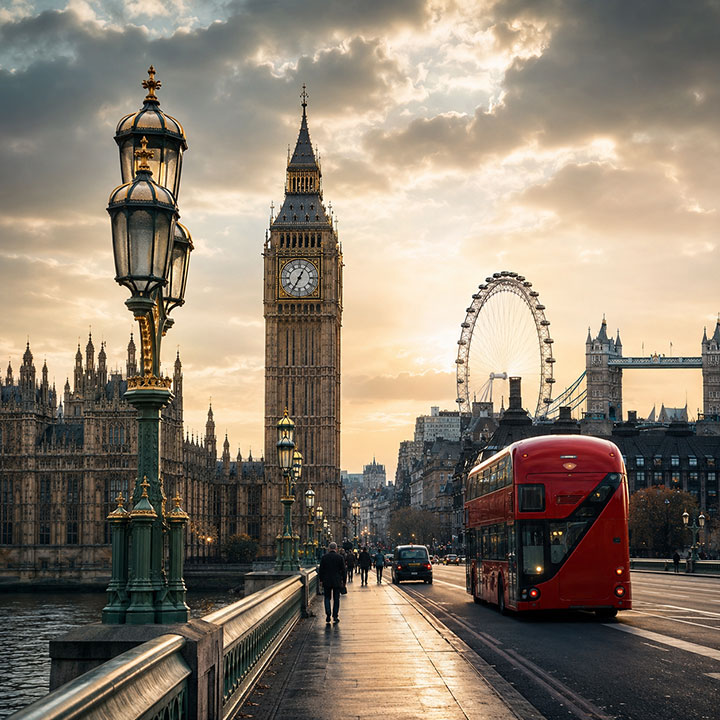
- The Houses of Parliament: A site of constant political debate where the laws governing a modern, diverse Britain are scrutinized and refined. This building is located in Westminster.
- National Portrait Gallery: A world-class institution that captures the “Faces of Modern Britain,” featuring portraits of contemporary icons like Stormzy and Amy Winehouse who define 21st-century cultural power. This gallery is located in St Martin’s Place, London.
- The British Museum: An institution that holds the world’s history, reflecting the era’s drive to understand humanity’s place within a global context. This museum is located in Bloomsbury.
- Southbank Centre: A primary site for democratic culture, celebrating the diverse artistic voices that define contemporary British life. This center is located on the South Bank.
- The Gherkin (30 St Mary Axe): An architectural icon of the City that represents London’s 21st-century status as a global financial and technological powerhouse. This building is located in the City of London.
- Trafalgar Square: London’s primary public square, serving as a setting for both national celebration and democratic protest. This square is located in the City of Westminster.
Creative industries and contemporary culture
Creative Industries and Contemporary Culture represents the economic and social engine of modern East London, encompassing a dense concentration of digital media, fashion, film, and contemporary art. This sector has moved the area’s narrative from one of traditional manufacturing to a globalized “Knowledge Economy,” where historic warehouses now house international tech giants and independent galleries. To study this chapter is to analyze the “Contemporary Creative Blueprint,” revealing how East London’s unique atmosphere of grit and glamour has made it one of the most significant cultural incubators in the world.
- The Whitechapel Gallery: A touchstone for contemporary art since 1901, famously premiering Picasso’s Guernica to the UK and continuing to showcase radical new voices. This gallery is located in Whitechapel High Street.
- Old Street (Silicon Roundabout): The heart of London’s tech cluster, where digital innovation and creative startups have redefined the city’s economic identity. This area is located at the junction of Old Street and City Road.
- The Barbican Centre: A brutalist masterpiece and Europe’s largest multi-arts venue, serving as a permanent anchor for world-class music, theatre, and visual arts. This centre is located in the Silk Street.
- Second Home Spitalfields: A flagship creative workspace known for its innovative biophilic design, representing the modern evolution of the collaborative office. This building is located in Hanbury Street.
- Rich Mix: A cross-arts center and cinema that reflects the diverse creative output of the local community, from world music to independent film. This center is located in Bethnal Green Road.